Maternal health essentials
What every expecting mother in Nigeria should know — from antenatal visits to warning signs.
6 min read
Nigeria has one of the highest maternal mortality rates in the world, but the most common causes — bleeding, infection, high blood pressure and obstructed labour — are largely preventable with early care, skilled birth attendance and knowing when to seek help.
Start antenatal care early
The WHO recommends at least eight antenatal contacts during pregnancy. Your first visit should happen in the first trimester so your doctor can check your blood pressure, test for anaemia and HIV, and plan your delivery.
Take the right supplements
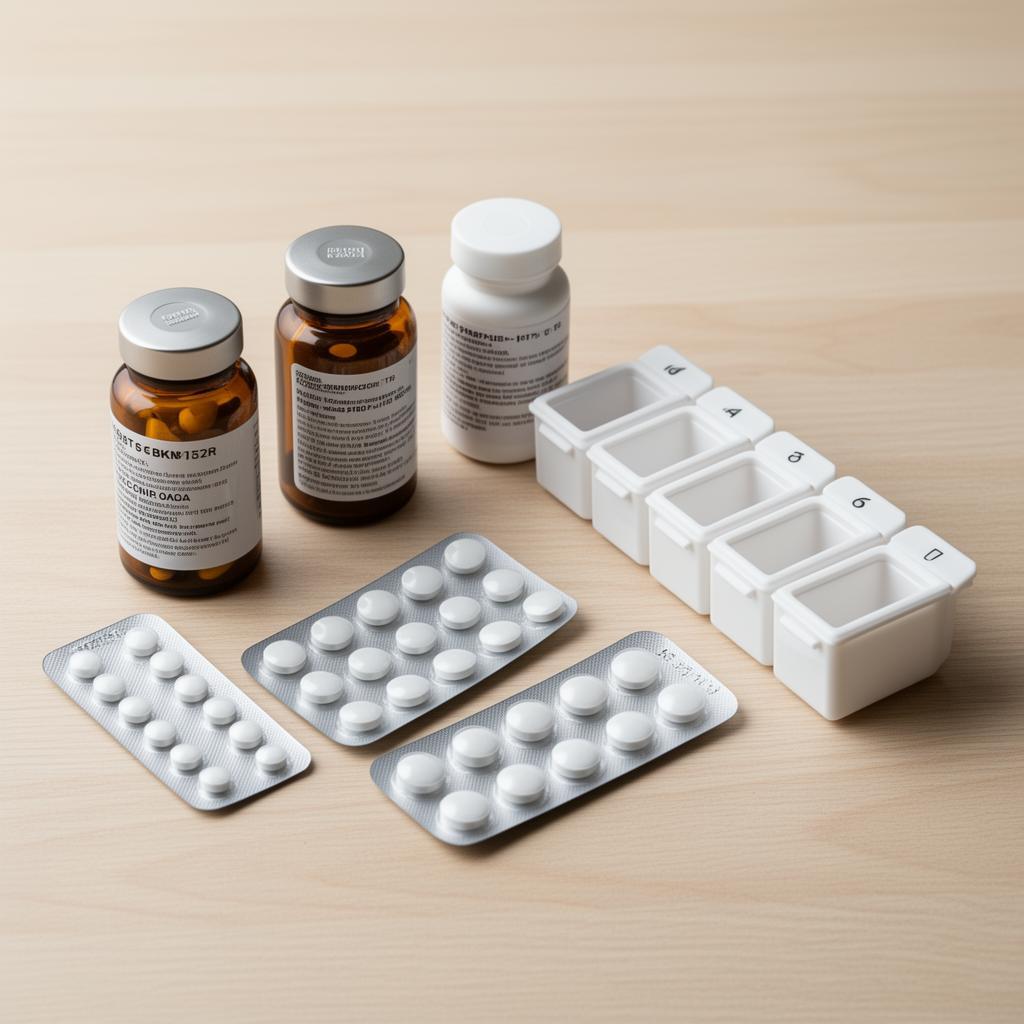
Folic acid before and during early pregnancy reduces neural tube defects. Iron treats anaemia, which is common in Nigeria. Calcium supports your bones and the baby's growth. Take only what your clinician prescribes — more is not always better.
Eat for two — quality, not quantity
Focus on protein (eggs, beans, fish, lean meat), plenty of vegetables and fruit, and safe drinking water. Avoid raw or undercooked meat, unpasteurised milk and alcohol. Small, frequent meals can help with nausea in early pregnancy.
Plan for a skilled birth
Deliver in a facility with trained staff and emergency equipment. Discuss your birth plan, who will accompany you, transport to the hospital and how you will pay before labour starts.
Danger signs — go to hospital immediately
These symptoms can indicate life-threatening conditions like pre-eclampsia, infection or haemorrhage.
- Severe headache, blurred vision or sudden swelling of face/hands
- Vaginal bleeding (any amount in pregnancy)
- Severe abdominal pain
- Reduced or no baby movements after 28 weeks
- Fever, chills, or foul-smelling discharge
- Convulsions or fainting
After the baby comes
Postnatal check-ups within the first 6 weeks catch problems like infection, postpartum depression, and breastfeeding issues early. Exclusive breastfeeding for the first 6 months gives babies the best start.
Talk to a doctor about this
Get a verified Nigerian doctor on a video or phone call in minutes.
Sources
This article is for general information only and is not a substitute for medical advice from a qualified doctor.