Managing diabetes & blood pressure
Daily habits and target numbers that help you stay in range and prevent complications.
6 min read
Diabetes and high blood pressure are the two most common chronic diseases in Nigerian adults. The good news: both respond extremely well to consistent daily habits combined with the right medication.
Know your numbers
For most adults, aim for a blood pressure under 130/80 mmHg and a fasting blood sugar of 70-130 mg/dL. HbA1c (3-month sugar average) target is usually under 7%. Your doctor may set different targets based on your age and other conditions.
Eat the Nigerian way — smarter
You don't have to give up local food. Small swaps make a big difference.
- Swap white rice for brown rice, beans, or unripe plantain
- Eat smaller portions of swallow; fill half your plate with vegetables
- Grill or boil instead of deep-frying
- Cut back on sugary drinks, malt, and sweetened yoghurt
- Use less salt; flavour with pepper, herbs, locust beans, ginger
Move every day
30 minutes of brisk walking, dancing, or housework most days lowers both blood sugar and blood pressure. If 30 minutes feels too much, start with 10 — three short walks count the same.
Take medication consistently
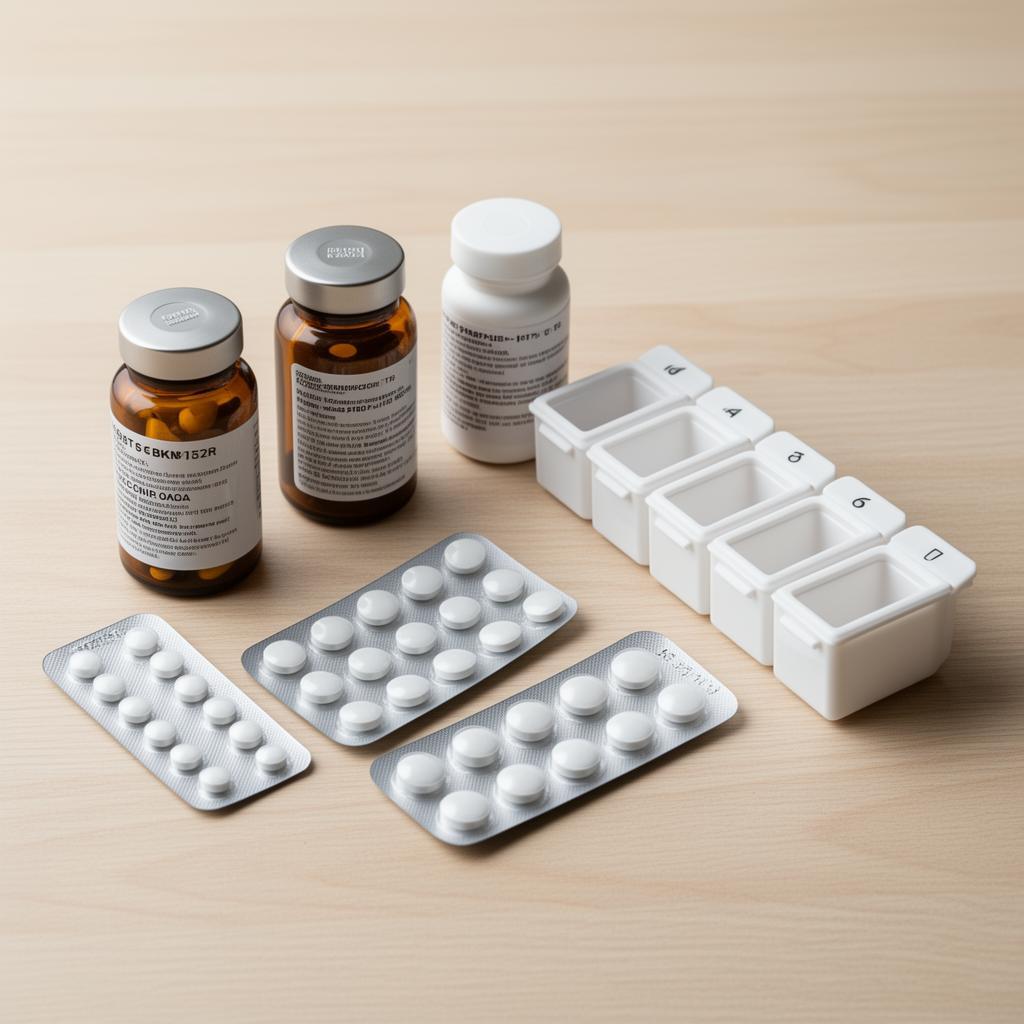
Skipping doses is the #1 reason people end up in hospital. If side effects are a problem, talk to your doctor — there are almost always alternatives. Never stop blood pressure medicine abruptly.
Check yourself at home
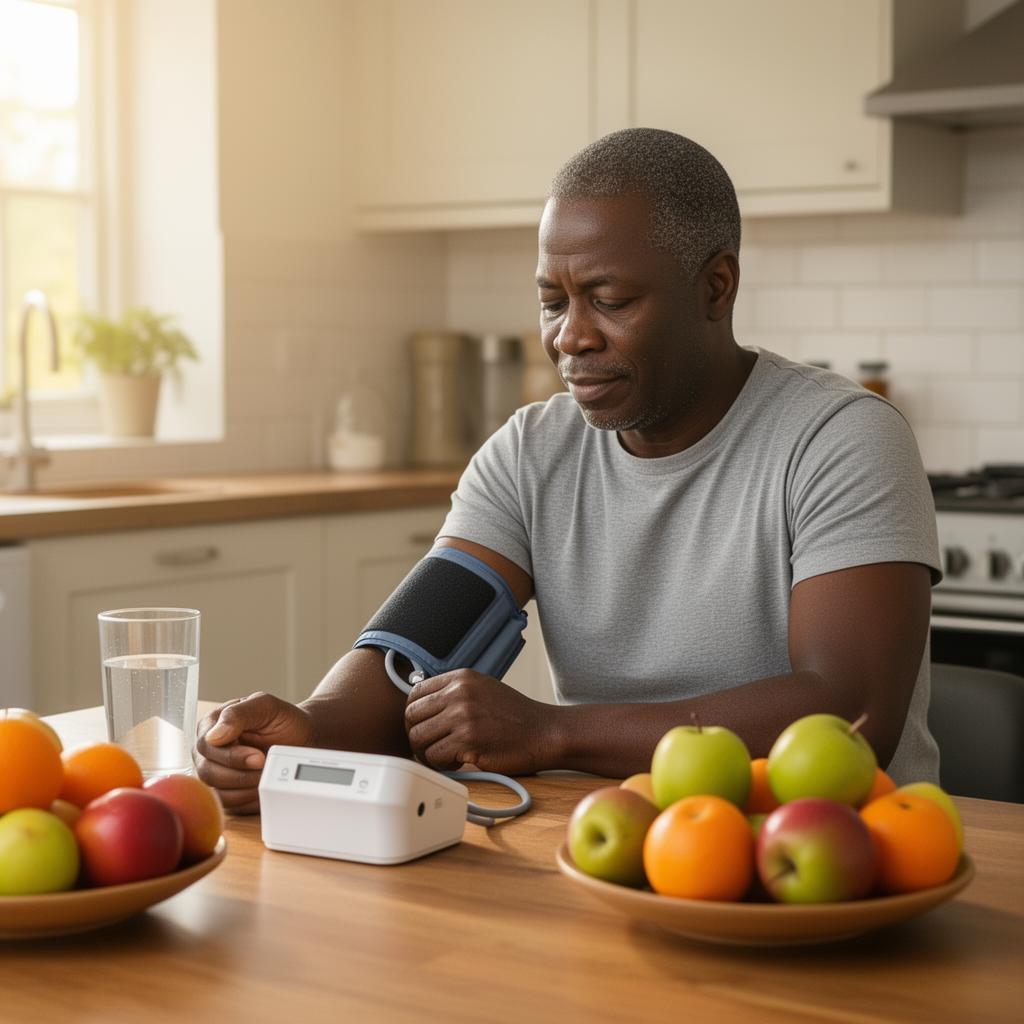
A home BP monitor and glucose meter let you spot problems early. Keep a simple log and share it with your doctor at every visit. Telemedicine reviews work well for chronic care follow-up.
Watch for complications
Get annual eye exams, kidney (urine) tests, and foot checks. Any new chest pain, vision change, foot wound, or unusual swelling needs prompt review.
Talk to a doctor about this
Get a verified Nigerian doctor on a video or phone call in minutes.
Sources
- International Diabetes Federation — Africa
- WHO — Hypertension
- American Diabetes Association — Standards of Care
This article is for general information only and is not a substitute for medical advice from a qualified doctor.